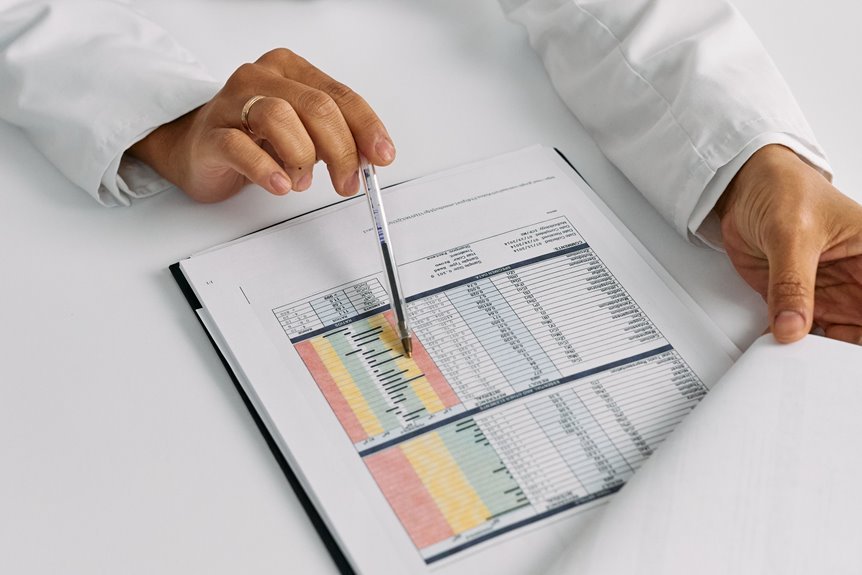
A private investigator is a professional who specializes in gathering information, examining evidence, and resolving factual uncertainties through structured research. These professionals assist individuals, businesses, legal representatives, and organizations when important questions require independent investigation. Their responsibilities may involve reviewing records, interviewing relevant individuals, analyzing documents, and preparing reports that explain their findings.
Professional investigative services are especially valuable when situations involve incomplete information, disputed events, or potential financial and legal concerns. By combining analytical reasoning, responsible research practices, and confidentiality, investigators help clients understand complicated matters and make decisions supported by reliable evidence.
Understanding Investigative Problem-Solving
Investigative problem-solving involves identifying unanswered questions and using systematic methods to establish relevant facts.
Unlike ordinary research, professional investigation often begins with uncertainty. Available information may be incomplete, contradictory, or difficult to interpret.
Investigators must identify the central issue before deciding which information sources and research techniques are appropriate.
For example, a company experiencing inconsistencies in supplier documentation may need to determine whether the differences result from outdated records, administrative mistakes, or inaccurate commercial representations.
A structured investigation examines these possibilities without assuming wrongdoing.
Effective problem-solving involves collecting credible information, considering alternative explanations, and documenting conclusions supported by evidence.
The Importance of Clear Investigation Objectives
Every successful investigation begins with clearly defined objectives.
Without specific questions, research may expand into unrelated areas and consume unnecessary resources.
Investigators should understand exactly what the client needs to establish and why the information is relevant.
A well-defined objective also helps determine which investigative methods are lawful and proportionate.
For example, verifying professional credentials may require contacting authorized institutions rather than conducting surveillance.
Clear objectives improve efficiency, reduce unnecessary information collection, and support more meaningful reporting.
Different Fields of Private Investigation
Professional investigative work includes several specialized fields that address different information needs.
Commercial Dispute Investigations
Commercial disagreements may involve conflicting contractual interpretations, transaction histories, or communication records.
Investigators can examine authorized documentation, establish timelines, and identify relevant factual inconsistencies.
Their findings may assist legal professionals or business representatives in understanding disputed circumstances.
Corporate Compliance Research
Organizations sometimes need independent factual reviews concerning internal policies or suspected procedural violations.
Investigators may examine relevant company records and gather information through appropriate interviews.
These assignments should respect employee rights and applicable privacy laws.
Insurance Information Verification
Insurance-related investigations may involve examining disputed claims and verifying reported circumstances.
Professionals can review authorized documents and identify inconsistencies requiring additional assessment.
Their findings help support informed claims evaluation without automatically establishing fraud.
Professional Credential Investigations
Credential research focuses on verifying relevant educational qualifications, employment information, and professional registrations.
These services may be useful when organizations need to confirm information supplied during legitimate commercial or recruitment processes.
How a Private Investigator Approaches Complicated Cases
A private investigator follows an organized process when examining assignments involving multiple questions or uncertain evidence.
Initial Assessment
The investigator begins by discussing the client’s concerns and reviewing available background information.
This stage helps identify the main questions and potential research limitations.
Developing a Research Framework
A framework outlines the information sources, activities, and resources required for the investigation.
It helps ensure that research remains focused on relevant objectives.
Gathering Information
Investigators collect evidence through legally permitted methods, including public-record searches, document examination, and voluntary interviews.
Evaluating Reliability
Collected information is assessed for accuracy, relevance, and credibility.
Different sources may be compared to identify inconsistencies or confirm important details.
Preparing Conclusions
Investigators organize supported findings and identify questions that remain unresolved.
Conclusions should reflect the available evidence rather than assumptions.
The Role of Evidence Management in Investigations
Evidence management involves collecting, organizing, preserving, and evaluating information relevant to an assignment.
An investigation may involve numerous documents, statements, digital records, and research notes.
Without proper organization, important details can be overlooked or misinterpreted.
Investigators should maintain records that identify the source of each item and explain its relevance.
Digital evidence may require additional safeguards to prevent unauthorized alterations or accidental loss.
Accurate evidence management also helps professionals compare information and prepare comprehensive reports.
When materials may be relevant to legal proceedings, additional preservation requirements can apply.
Understanding Evidence Quality and Reliability
The quality of evidence is more important than the quantity of information collected.
A large collection of unverified claims may provide less value than a small number of reliable records.
Investigators must consider where information originated, whether it is authentic, and how directly it relates to the questions being examined.
For example, a publicly available company registration may confirm a documented business status at a particular date.
However, it may not establish the company’s current financial condition or the intentions of its representatives.
Recognizing these limitations prevents investigators from drawing conclusions unsupported by the evidence.
Professional research prioritizes relevance, accuracy, and independent verification.
How Investigators Analyze Contradictory Information
Contradictory information is common in complicated investigations.
Different documents may contain inconsistent details, while individuals may provide conflicting descriptions of events.
Investigators must evaluate each source carefully to determine which information can be verified.
This process may involve comparing records, examining timelines, and identifying the circumstances in which statements were made.
Investigators should also consider whether apparent contradictions result from misunderstandings or incomplete documentation.
Not every inconsistency indicates deliberate deception.
Balanced analysis helps establish a more accurate understanding of the situation.
The Importance of Research Documentation
Research documentation provides a record of investigative activities and findings.
Professionals may maintain case notes, interview summaries, document inventories, and chronological records.
These materials help explain how information was obtained and why particular conclusions were reached.
Proper documentation also allows investigators to revisit earlier findings when new evidence becomes available.
Accurate records should distinguish direct observations from information obtained through other sources.
This distinction is particularly important when clients need to evaluate the reliability of the final report.
Organized documentation supports transparency and professional accountability.
Digital Evidence and Modern Investigation Tools
Digital technology has expanded the methods available for organizing and examining investigative information.
Online databases can help researchers access legally available public records.
Document-management software allows investigators to maintain organized collections of authorized materials.
Digital analysis tools may assist with identifying relevant information within extensive document collections.
Electronic timelines can also help professionals reconstruct events and compare different sources.
However, technological systems require careful oversight.
Automated research tools may produce inaccurate matches or misleading connections.
Investigators must independently verify significant findings and respect restrictions concerning confidential information and private communications.
The Importance of Professional Interviewing
Interviews allow investigators to gather details from individuals who may possess relevant knowledge.
Effective interviewing begins with understanding the purpose of the conversation.
Professionals prepare questions that encourage individuals to describe events clearly.
Neutral questioning is important because leading questions may influence responses.
Investigators should document statements accurately and distinguish firsthand observations from information received indirectly.
Human memory may be affected by time, stress, and individual perception.
For this reason, interview findings should be compared with reliable documents or other independent evidence whenever possible.
How Professional Investigations Support Business Operations
Businesses may require investigative assistance when examining commercial risks or internal concerns.
Independent research can help verify information about suppliers, contractors, and potential partners.
Investigators may also examine authorized records relating to unexplained operational discrepancies.
These findings can support broader compliance, accounting, or legal assessments.
For example, a company may discover inconsistent information across supplier invoices and contractual records.
A factual investigation can help establish whether the differences result from documentation errors or circumstances requiring further attention.
Professional investigations should complement existing business controls rather than replace them.
Confidentiality and Secure Information Handling
Investigative assignments frequently involve sensitive personal, financial, or commercial information.
Protecting these materials is essential for maintaining client trust and complying with applicable regulations.
Investigators should collect only information necessary for the authorized assignment.
Digital records should be protected through appropriate security measures, while physical documents should be stored securely.
Access to sensitive materials should be limited to individuals with legitimate authorization.
Information-sharing procedures should also respect contractual obligations and legal disclosure requirements.
Responsible information handling reduces unnecessary risks and supports professional credibility.
Ethical Responsibilities of Investigative Professionals
Professional investigators must follow ethical standards that promote accuracy, fairness, and respect for individual rights.
They should remain objective, even when clients expect particular outcomes.
Evidence must not be manipulated or selectively presented to support unsupported conclusions.
Investigators should also avoid unnecessary intrusion into personal information.
Unlawful surveillance, harassment, trespassing, and unauthorized access to protected accounts are not acceptable research methods.
Ethical conduct requires acknowledging uncertainties and explaining limitations honestly.
These principles strengthen the reliability of investigative findings.
How to Choose a Reliable Private Investigator
Hiring a private investigator requires evaluating professional experience, qualifications, and ethical standards.
Relevant Experience
Clients should determine whether the professional has experience handling similar assignments.
Different investigative specialties may require distinct skills.
Professional Credentials
Licensing requirements vary by jurisdiction.
Clients should verify whether the investigator meets applicable local regulations.
Clear Communication
A reliable professional should explain the proposed research approach and possible limitations.
Transparent Pricing
Service fees and potential additional expenses should be discussed before work begins.
Confidentiality Standards
Clients should understand how sensitive records and final reports will be protected.
Written Agreements
A service agreement should define the investigation’s objectives, authorized activities, fees, and reporting arrangements.
Common Challenges in Evidence-Based Investigations
Professional investigations may involve several obstacles that require adaptability and careful judgment.
Missing Records
Important documentation may be unavailable or incomplete.
Investigators must determine whether alternative lawful sources can provide useful information.
Inconsistent Statements
Different individuals may describe events differently.
Professionals compare accounts with independent evidence.
Restricted Information
Certain records are protected by privacy laws or confidentiality requirements.
Investigators must respect these restrictions.
Limited Resources
Time and budget constraints may influence the scope of research.
Clear priorities help maintain efficiency.
Unexpected Findings
New information may require adjustments to the original investigation strategy.
Investigators must remain flexible without compromising objectivity.
Understanding the Value of Investigation Reports
A professional investigation report communicates relevant findings in a clear and organized format.
It should explain the assignment’s objectives, describe research methods, and summarize supporting evidence.
Reports must distinguish verified facts from interpretations.
Important limitations should also be identified.
For example, an investigator may verify that a document was issued on a particular date without being able to confirm every statement contained within it.
Transparent reporting allows clients to understand the reliability and significance of the findings.
Reports may also assist relevant legal, financial, or business professionals in conducting further assessments.
The Role of Investigative Research in Conflict Resolution
Investigative research can help clarify disagreements involving disputed information.
Conflicts sometimes arise because different parties rely on incomplete records or conflicting interpretations.
Independent fact-finding may identify common factual ground and highlight questions requiring additional examination.
For example, a commercial dispute may involve disagreement about the timing of contractual communications.
Reviewing authorized correspondence and relevant records can help establish a clearer timeline.
However, investigators do not automatically resolve legal disagreements or determine contractual liability.
Their role is to provide factual information that may support negotiation, mediation, or legal evaluation.
The Future of Evidence-Based Investigation
Professional investigation continues to evolve as technology improves information storage and analysis.
Digital records, automated document-processing tools, and secure research platforms may increase efficiency.
Artificial intelligence may assist with organizing information and identifying patterns requiring additional examination.
However, automated findings can contain errors and must be verified by qualified professionals.
Privacy regulations and cybersecurity requirements are also influencing investigative practices.
Professionals will need to combine technical knowledge with ethical judgment and strong analytical skills.
Reliable evidence evaluation and accurate reporting will remain essential components of investigative work.
Frequently Asked Questions
What Is the Main Purpose of Investigative Problem-Solving?
Investigative problem-solving aims to clarify uncertain circumstances through organized research, evidence evaluation, and reliable factual analysis.
What Types of Evidence Do Investigators Examine?
Investigators may examine authorized documents, public records, witness statements, digital information, and legally obtained observations.
Why Is Evidence Verification Important?
Verification helps reduce errors, identify misleading information, and ensure that conclusions are supported by credible sources.
Can Professional Investigations Help Resolve Business Disputes?
Investigative research may clarify relevant facts and documentation, although legal or contractual disputes may still require professional legal assistance.
How Do Investigators Maintain Confidentiality?
Responsible investigators use secure information storage, restricted access, and appropriate communication procedures to protect sensitive case materials.
What Should Clients Expect From an Investigation Report?
A professional report should explain the objectives, methods, verified findings, supporting evidence, and any important limitations.
Conclusion
A private investigator provides valuable assistance by examining complex situations, gathering relevant evidence, and evaluating information through structured research. Professional investigative services can support business decisions, legal matters, dispute clarification, and other legitimate information needs.
Successful investigative work depends on careful planning, credible sources, analytical reasoning, confidentiality, and ethical conduct. By choosing qualified professionals who follow lawful research practices, clients can obtain dependable findings, reduce uncertainty, and make informed decisions based on verified information.