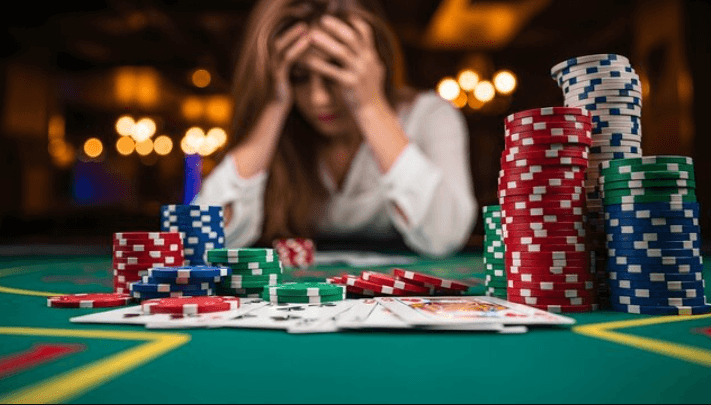
For most people, a bet on a race or a match is part of the fun of following sport. For a growing number, though, the habit is becoming harder to control. The Siena Research Institute’s 2026 national survey found that 27% of Americans now have an active online sports betting account, rising to 52% among men aged 18 to 49. Among online sports bettors, 60% said they had tried to win back money after a loss, 31% said someone close to them had expressed concern about their betting, and 15% said they had sought help for their gambling, up from 9% a year earlier.
Those numbers matter on their own. They matter even more because gambling problems rarely arrive alone. Researchers have long found that problem gambling and substance use problems overlap heavily, and each can make the other worse. For people caught in both patterns, recovery often requires care that addresses the whole picture, whether that means counselling, specialised gambling treatment, or structured support at a luxury rehab when alcohol or drug use has become serious. Understanding how the two problems connect is the first step.
What the Latest Data Shows
Concern about gambling harm has grown since the U.S. Supreme Court’s 2018 decision in Murphy v. NCAA opened the door to legal sports betting across the states. In June 2026, Epic Research published an analysis of electronic health records showing that diagnoses of gambling disorder rose more than 60% since 2018 in states that legalised sports betting, with the largest increase among young men. In states that did not legalise sports betting, diagnoses fell by about 30% over the same period. The researchers cautioned that the trend cannot be attributed to any single legal change.
The issue has also reached Congress. In June 2026, Representatives Dan Goldman and Blake Moore introduced the Gambling Disorder Health Study Act, which would direct a federal study into the causes and long-term effects of gambling disorder. Their announcement noted that the last federally funded national study of gambling was conducted in 1999.
A Long-Recognised Overlap
The link between gambling and substance use is not new. In a landmark 2005 study published in the Journal of Clinical Psychiatry, Nancy Petry, Frederick Stinson, and Bridget Grant analysed data from the National Epidemiologic Survey on Alcohol and Related Conditions, a nationally representative survey of more than 43,000 American adults. Among people with pathological gambling, 73.2% also had an alcohol use disorder, 38.1% had a drug use disorder, and 60.4% had nicotine dependence.
The authors concluded that because gambling problems are so frequently tied to substance use and mental health conditions, treatment for one condition should include assessment and possible treatment of the others.
Why Psychiatry Groups Them Together
When the American Psychiatric Association published the DSM-5 in 2013, it moved gambling disorder into the same chapter as substance use disorders, under the heading of substance-related and addictive disorders. It was the first behavioural condition placed in that category, reflecting the similarities clinicians see between compulsive gambling and compulsive substance use, including loss of control, preoccupation, and continuing despite serious harm.
Signs the Two Problems May Be Feeding Each Other
Gambling and drinking often share the same settings, the same emotions, and the same late nights. These patterns suggest the two may be reinforcing each other.
- Drinking while betting. Alcohol lowers inhibition and can make larger or riskier bets feel reasonable in the moment. If most heavy betting happens after a few drinks, the two habits may be linked.
- Using substances to cope with losses. Turning to alcohol or drugs to numb the stress of a losing streak can create a cycle in which each problem fuels the other.
- Chasing in more than one way. Trying to win back money and needing more of a substance to feel the same effect follow a similar logic. Both involve escalation that is hard to stop.
- Hiding the extent of either habit. Lying about how much you bet or drink is a common warning sign. Secrecy often means a person already senses that something is wrong.
- Money pressure spilling over. Gambling debts can drive stress, which can drive more drinking, which can lead to more impulsive betting. Financial strain is often where both problems become visible to others.
Noticing one of these patterns does not prove a disorder. Noticing several is a strong reason to talk with a healthcare provider about both habits, not just one.
Why Treating Only One Problem Often Falls Short
When gambling and substance use are intertwined, addressing one while ignoring the other can leave a person vulnerable. Someone who stops drinking but keeps betting heavily may continue to face the stress, debt, and late nights that triggered drinking in the first place. Someone who stops gambling but continues drinking may find that alcohol weakens their resolve when the next big game comes around.
That is why the Petry study’s recommendation remains relevant two decades later. A thorough assessment should ask about gambling, alcohol, drugs, mood, and anxiety together, so that the treatment plan fits the person rather than just one symptom.
Keeping Betting in Its Place
For people who enjoy betting as entertainment, a few habits can help keep it that way: setting a fixed budget before the event, avoiding betting while drinking, never borrowing money to gamble, and taking regular breaks from betting apps. If those limits start to feel impossible to keep, that difficulty is useful information in itself.
Sport and the occasional wager can be part of a healthy life. When betting and substance use begin to drive each other, though, the most effective response is to treat them as connected problems and seek help that addresses both.
Frequently Asked Questions (FAQs)
1. How common is it for people with gambling problems to also have substance problems?
Very common. A 2005 study using national U.S. survey data found that 73.2% of people with pathological gambling also had an alcohol use disorder, and 38.1% had a drug use disorder.
2. Is gambling disorder considered an addiction?
Yes. The DSM-5, published in 2013, classifies gambling disorder alongside substance use disorders in its chapter on substance-related and addictive disorders, making it the first behavioural condition placed in that category.
3. Have gambling problems increased since sports betting was legalised?
Evidence suggests so. A June 2026 Epic Research analysis found gambling disorder diagnoses rose more than 60% since 2018 in states that legalised sports betting, although the researchers noted the trend cannot be tied to any single legal change.