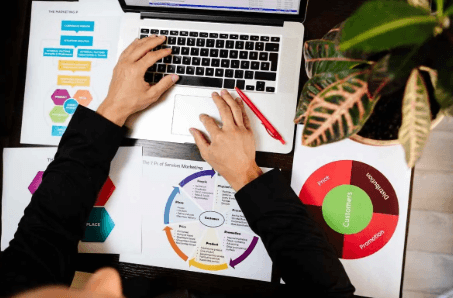
Unproductive, sprawling meetings have become a major driver of workplace exhaustion and lost productivity. When calendars are packed with vague, poorly facilitated sessions, employee engagement drops and decision-making stalls. Transformational leaders recognize that running efficient meetings is not just a scheduling habit—it is a core operational discipline that respects time, encourages focused contribution, and drives accountability.
┌────────────────────────────────────────────────────────┐
│ THE MODERN MEETING WORKFLOW │
├────────────────────────────────────────────────────────┤
│ Clear Purpose ──► Essential Invitees ──► Structured Agenda │
│ │ │
│ ▼ │
│ Clear Action Items ◄── Outcome-Driven Debates ─┴───────┘
└────────────────────────────────────────────────────────┘
When internal collaboration is streamlined, executives free up crucial cognitive bandwidth to focus on high-impact strategic growth—such as deciding when to register a company in Hong Kong to tap into international markets.
This comprehensive guide outlines practical strategies for running meetings that employees respect, featuring structured agendas, defined participant roles, and outcome-oriented facilitation techniques.
See also: Some Of the Very Best Tokyo Travel Attractions
1. The Root Cause of Meeting Dread: Why Most Workplace Sessions Fail
To fix ineffective meetings, leaders must first diagnose why they fail. The primary issue is rarely the meeting length itself; rather, it stems from a lack of intentional design, unclear objectives, and bloated attendance lists.
[The Vicious Meeting Cycle]
├── Vague Objectives & Lack of Pre-Work
├── Unstructured Discussion & Unclear Roles
└── No Documented Outcomes, Leading to Repeat Meetings
The Cost of Unstructured Gatherings
When a meeting lacks a clear purpose, it devolves into an unstructured status report where participants passive-listen instead of actively collaborating. This approach wastes valuable labor hours and creates operational bottlenecks across departments.
| Meeting Metric | Ineffective Meeting Culture | High-Efficiency Meeting Culture |
| Objective | Topic-based (“Discuss Q3 Strategy”) | Outcome-based (“Approve Q3 Budget Allocations”) |
| Attendance | Open invites; bloated room | Capped; essential decision-makers only |
| Preparation | No pre-work; context delivered live | Pre-work shared 24–48 hours in advance |
| Documentation | Unclear notes; verbal agreements | Action items assigned via WHO-WHAT-WHEN framework |
Transitioning from topic-based updates to outcome-driven sessions ensures that every participant understands why they are in the room and what decision needs to be reached.
2. The Pre-Meeting Protocol: Agendas, Pre-Work, and Guest Curation
An effective meeting begins long before the calendar invite goes out. Proper preparation ensures that live time is spent discussing solutions rather than presenting background context.
┌────────────────────────────────────────────────────────┐
│ THE 24-HOUR PRE-MEETING CHECKLIST │
├────────────────────────────────────────────────────────┤
│ 1-Sentence Goal ──► Pre-Work Shared ──► Role Assignment│
│ │ │
│ ▼ │
│ Meeting Ready ◄── Essential Guest List ────────┘ │
└────────────────────────────────────────────────────────┘
Distributing Purposeful Agendas and Pre-Work
Agendas should be sent 24 to 48 hours in advance. Instead of broad topics, frame agenda items as specific questions or decision milestones.
For example, provide a concise one-page briefing document or video summary before the meeting so attendees can review the context on their own time. Live meeting time should be reserved for debate, alignment, and decision-making—not static reading.
Curation via the “Essential Contributor” Rule
Avoid inviting stakeholders purely for optics. Keep the core group small—ideally five to eight key contributors—to foster focused discussion. Share summary notes or meeting recordings with non-essential team members to keep them informed without cluttering their schedules.
3. Active Facilitation: Maintaining Momentum, Engagement, and Focus
During the meeting, the facilitator’s role is to guide the conversation, enforce time limits, and ensure all viewpoints are heard.
Clear Role Assignment
To prevent one person from dominating the session, assign explicit functional roles:
- Facilitator: Drives the agenda, poses key questions, and balances participation.
- Timekeeper: Tracks agenda timing and signals when it is time to transition.
- Note-Taker: Captures key decisions, action items, and open risks in real time.
[Facilitation Techniques]
Silent Starts (Brief silent reading) ──► Round-Robin Input ──► Consensual Decision
Inclusive Techniques: Silent Starts and Round-Robins
Incorporate “silent starts”—giving participants two to three minutes at the beginning of the meeting to read the agenda and pre-work silently. Use round-robin formats to invite feedback from quieter team members, ensuring that noisy opinions do not overwhelm valuable insights.
4. Strategic Governance and Expansion: Aligning Operations with Growth
Eliminating meeting fatigue is closely tied to establishing clear organizational governance. When operational policies, standard operating procedures, and corporate roles are well-defined, teams require fewer meetings to stay aligned.
┌────────────────────────────────────────────────────────┐
│ GOVERNANCE AND EFFICIENCY PIPELINE │
├────────────────────────────────────────────────────────┤
│ Clear Governance ──► Autonomous Execution ──► Fewer Meetings │
│ │ │
│ ▼ │
│ Business Growth ◄── Strategic Initiatives ───────┘ │
└────────────────────────────────────────────────────────┘
Streamlined internal communications give leadership teams the capacity to focus on higher-level strategic planning. For instance, when executives plan to register a company in Hong Kong to expand their global presence, they must manage complex regulatory compliance, banking setups, and statutory appointments.
Replacing disorganized internal meetings with clear governance ensures that cross-border projects advance smoothly without constant managerial intervention.
Frequently Asked Questions (FAQs)
What are the main rules for running a successful meeting?
The core rules include defining an outcome-oriented goal, distributing an agenda and pre-work 24 hours in advance, limiting attendance to essential contributors, assigning facilitator roles, starting and ending on time, and closing with documented action items.
How do you stop meetings from running over time?
Assign a dedicated timekeeper, allocate strict time slots for each agenda item, park off-topic discussions in a designated “parking lot,” and end meetings five minutes early to allow buffer time before subsequent appointments.
What are the core steps to register a company in Hong Kong?
To register a company in Hong Kong, you must select an approved company name, appoint at least one natural-person director and a qualified local company secretary, maintain a local registered office address, and submit the incorporation application (Form NNC1) alongside the Articles of Association to the Companies Registry.
How do you handle dominant personalities who interrupt others during meetings?
A skilled facilitator should set ground rules up front, use structured formats like round-robin sharing or written polling, and directly redirect the conversation by thanking the speaker and explicitly asking for input from quieter participants.
What is the WHO-WHAT-WHEN framework for meeting follow-ups?
The WHO-WHAT-WHEN framework ensures accountability by documenting every action item with a specific owner (WHO), an explicit deliverable (WHAT), and a firm deadline (WHEN) before the meeting adjourns.
Conclusion: Building a Culture of Respect, Efficiency, and Focus
Running effective meetings is ultimately about respecting your team’s time, energy, and attention. By defining clear outcomes, sharing pre-work beforehand, and enforcing disciplined facilitation, organizations can transform frustrating meetings into productive, engaging work sessions.
Reclaiming hours wasted in unnecessary meetings unlocks significant leadership bandwidth. Whether streamlining daily team operations or pursuing global growth initiatives—such as taking steps to register a company in Hong Kong—efficient collaboration helps organizations operate with speed, clarity, and purpose.
By replacing continuous meeting clutter with structured, intentional collaboration, modern leaders foster higher employee engagement, faster execution, and long-term business success.