Learning about factory material handling safety requires identifying facility-specific hazards, then assessing risks by severity and likelihood to align with standards and best practices. Use simple checklists to spot issues quickly and maintain independent judgment. Develop an evidence-based training program with clear objectives, role-specific competencies, and strong supervision. Embrace continuous improvement through measurement and corrective actions, building a safer culture and reliable regulatory compliance—yet questions remain about how these elements integrate in practice.
Identify the Specific Hazards in Your Facility
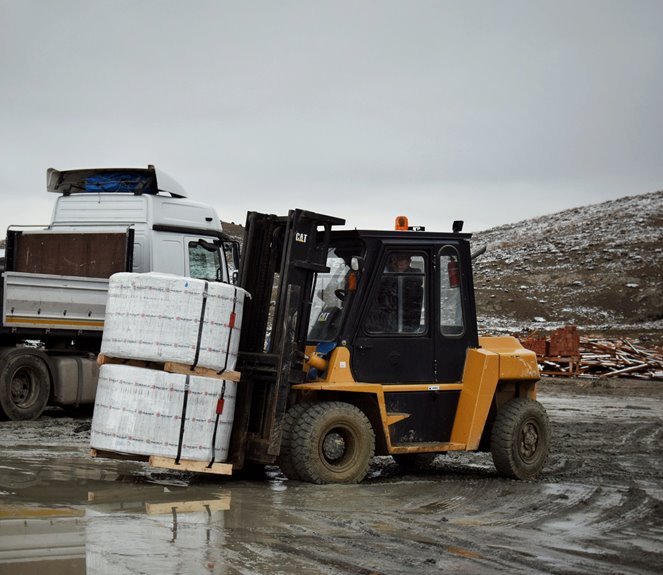
Identifying hazards in a facility begins with a systematic walk-through of operations and environments to catalog potential risks. A methodical facility assessment records material handling processes, equipment, and workflow gaps.
The objective is clarity, not conjecture; each hazard is labeled by severity and likelihood. Documentation supports corrective actions, compliance checks, and targeted safeguards, enabling ongoing safety improvements aligned with organizational goals and freedom to operate safely.
Understand the Standards and Best Practices That Guide Safety
Understanding the standards and best practices that guide safety is essential for a compliant material handling program. The discussion emphasizes standards alignment, ensuring consistency across procedures, training, and audits. It outlines framework relevance, regulatory expectations, and continuous improvement. The focus remains on implementing proven best practices, metric-driven monitoring, and documented compliance to reduce risk while preserving operational freedom and efficiency.
Learn to Spot Risks With Simple, Practical Checklists
Informed by the prior discussion of standards and best practices, the focus shifts to practical risk spotting using concise checklists. Risk recognition emerges through structured observation, enabling quick verification of hazards and controls.
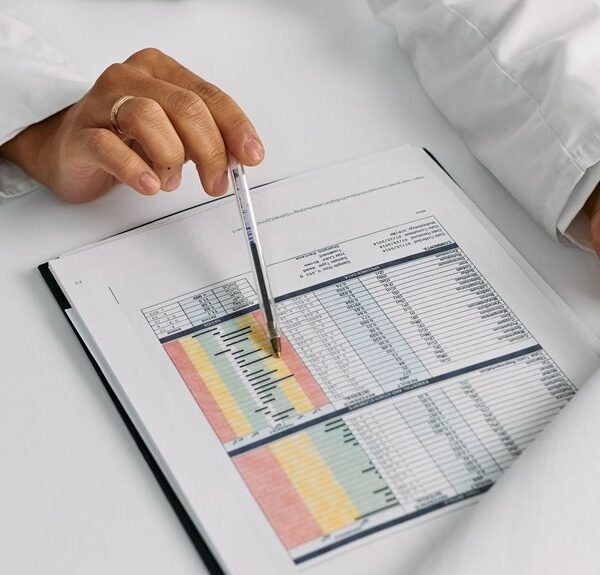
Checklist design emphasizes relevance, clarity, and measurable criteria, ensuring consistent application. The approach supports independent judgment while preserving compliance-minded discipline, empowering responsible, freedom-oriented operators to identify conditions demanding corrective action.
Build Effective Training, Supervision, and Culture for Safety
Effective training, supervision, and safety culture require a structured, evidence-based approach that aligns learning objectives with operational hazards and regulatory requirements.
The discussion outlines how training culture and clear supervision practices support compliant performance, hazard awareness, and incident prevention.
It emphasizes documented procedures, role-specific competencies, and objective evaluation, enabling consistent execution while preserving professional autonomy and a safety-forward operational ethos.
Apply a Continuous Improvement Mindset for Safer Operations
A continuous improvement mindset is essential for reducing risk and advancing safety in factory material handling. Organizations embed ongoing evaluation, measurement, and corrective action to strengthen procedures and compliance.
A formalized feedback loop drives disciplined adjustments, reinforcing safety culture while meeting regulatory requirements.
Frequently Asked Questions
How Do I Tailor Safety Training to Different Worker Roles?
Role based training should distinguish duties; implement task specific mentoring, pairing experienced staff with newcomers per role. The approach remains precise, systematic, and compliance-minded, yet preserves a sense of autonomy, enabling workers to apply safety principles confidently across varied tasks.
What Legal Penalties Exist for Non-Compliance in My Facility?
Silent scales tally risk: legal penalties loom for non-compliance, and compliance penalties accrue from violations. The facility must monitor procedures, document audits, and address gaps promptly to ensure ongoing safety, lawful operations, and measured, freedom-respecting responsibility.
Which PPE Is Required for Common Material Handling Tasks?
Glove selection and appropriate lift assist devices are essential for common material handling tasks; the policy adheres to hazard assessment, PPE standards, and task specificity, ensuring compliant, precise choices that support an audience seeking freedom through safety clarity.
How Often Should Safety Drills Be Conducted in Warehouses?
Safety drill cadence requires quarterly execution for warehouses, with annual full-scale exercises. The warehouse drill frequency should be documented, reviewed, and audited, ensuring compliance, preparedness, and measurable mitigation of risks while maintaining operational freedom within safety frameworks.
How Can I Measure the ROI of Safety Improvements?
Ironically, ROI measurement methods reveal safety upgrades often pay for themselves; the question is how and when. The report highlights Training effectiveness metrics and systematic data collection to quantify reductions in incidents, downtime, and costs with compliance-minded rigor.
Conclusion
In the warehouse’s quiet hum, the next audit looms, and the trained eye scans each corner for hidden risks. Hazards are mapped, standards cross-checked, and checklists kept crisp and independent. Training anchors behavior, supervision reinforces discipline, and culture quietly reinforces accountability. Yet the true test lies ahead: a disturbance in process, a near-miss, a corrective action that reshapes practice. If kept rigorous, the facility moves from compliance to resilient safety, ready to confront whatever tomorrow delivers.